
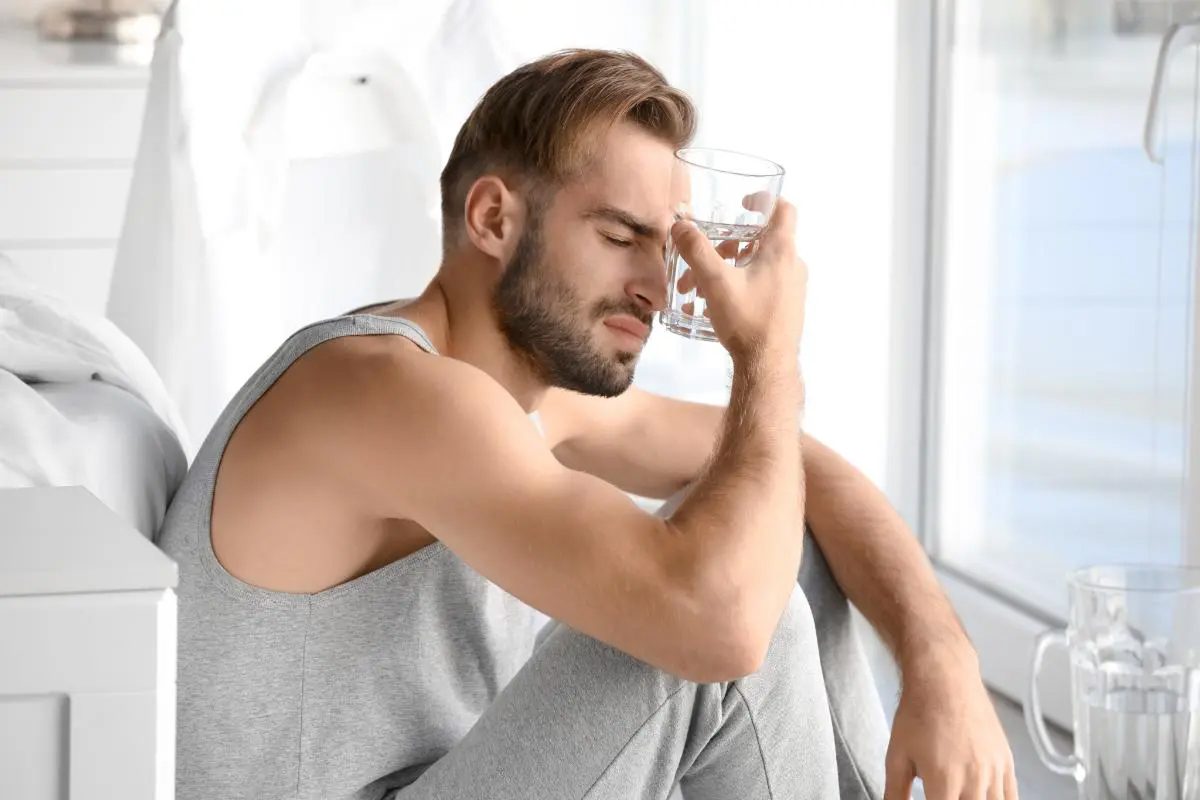
Alcohol addiction is a serious issue that affects individuals from all walks of life. Many people face unique challenges when seeking help for their addiction, such as discrimination, lack of understanding from healthcare providers, and feelings of shame or fear of rejection. Fortunately, there are resources and treatment programs designed to support individuals from diverse backgrounds on their journey toward recovery.
What Is GHB?
GHB, or gamma-hydroxybutyrate, is a central nervous system depressant produced naturally in the body. It acts as a neurotransmitter and can be found in small amounts in certain foods, such as meat and dairy products. However, it is also synthesized in laboratories and has been used as a recreational drug.
GHB was first discovered in the 1960s and was initially used as an anesthetic. It wasn’t until the 1980s that it gained popularity as a party drug due to its euphoric and sedative effects. In some countries, GHB is even prescribed for medical purposes such as treatment for narcolepsy.
In recent years, GHB has gained notoriety as a date rape drug due to its ability to cause sedation and memory loss. It is often slipped into someone’s drink without their knowledge, making them more vulnerable to sexual assault. This has sparked public concern, and efforts have been made to increase awareness and prevent such incidents from occurring.
What Are the Side Effects of GHB and Alcohol?
Both GHB and alcohol are central nervous system (CNS) depressants that can pose serious risks when consumed together. Both substances sedate the brain, which means they slow down brain activity and cause drowsiness. When taken in combination, the effects of each substance can be amplified, leading to potentially dangerous side effects. Some of the most common side effects of GHB and alcohol include:
- Drowsiness
- Dizziness
- Nausea
- Slurred speech
- Coordination difficulties
- Blackouts or memory loss
- Difficulty breathing
- Coma
- Death
These side effects can be even more pronounced when consuming large quantities of both substances. The combination of GHB and alcohol can also increase the risk of accidents, injuries, and other harmful behaviors. Additionally, combined long-term use of these substances can lead to serious health consequences such as liver damage, heart problems, and cognitive impairment.
Why It’s Important to Stay Vigilant
Discrimination and marginalization continue to affect many communities, making awareness and vigilance essential when it comes to issues impacting personal safety and well-being. One such issue is the use of GHB as a date rape drug.
Studies have shown that sexual assault rates are higher among certain vulnerable populations. This increased vulnerability makes it important for everyone to be informed about the dangers of substances like GHB, which can be used to facilitate sexual assault. Additionally, many survivors may be hesitant to report incidents due to fear of discrimination, stigma, or other barriers.
Being vigilant involves educating oneself about GHB and its effects, recognizing the signs of being drugged, and taking precautions at social events or gatherings. Advocating for broader awareness and education about GHB is crucial to protecting all individuals from potential harm.
By staying informed and proactive, communities can work together to create safer environments and support those at risk.
Get Help for Alcohol Addiction at Foundations Minnesota
Seeking help for alcohol addiction can be daunting, but it is important to remember that resources are specifically designed to support members of the community. Whether through specialized treatment centers or support groups, individuals can find the necessary support and understand their need to begin their journey toward recovery at Foundations Minnesota. Contact us today at (952) 248-5224 or online for more information.
Start Your Recovery Journey
The decision to seek treatment is a big step, but you don’t have to do it alone.
